

The Concept of Luck in Gambling
Luck is a multifaceted concept that plays a crucial role in the world of casino games. It encompasses the idea that chance can influence outcomes, often leading players to attribute their successes or failures to external forces beyond their control. In casino settings, this belief in luck can greatly affect player behavior, with many individuals relying on rituals or superstitions to enhance their odds of winning. Some players even seek out resources like anonymous casino bitcoin to navigate these experiences with more confidence.
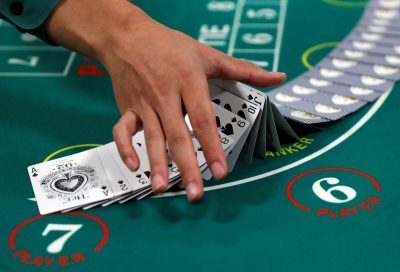
The psychological impact of luck can manifest in various ways. For instance, players may engage in specific behaviors, such as wearing lucky clothing or avoiding certain actions, all while hoping to align with favorable outcomes. This reliance on luck often serves as a coping mechanism, allowing players to navigate the unpredictability inherent in gambling.
The Role of Cognitive Biases
Cognitive biases significantly influence how players perceive luck in their gambling experiences. One prevalent bias is the “gambler’s fallacy,” where individuals believe that past events will influence future outcomes. For example, a player may think that because a particular slot machine has not paid out recently, it is “due” for a win. This misconception can lead to increased engagement with the game, as players search for patterns that may not exist.
Another cognitive bias affecting players is the “illusion of control,” where gamblers perceive they have more influence over random outcomes than they actually do. This illusion can drive players to make riskier bets, believing their decisions will sway the odds in their favor. Understanding these biases is essential for both players and casinos, as they shape gambling behavior and overall experiences.
The Emotional Rollercoaster of Gambling
The connection between luck and emotions cannot be understated in the realm of casino games. Players often experience a wide range of emotions, from excitement and joy during winning streaks to disappointment and frustration when luck does not favor them. These emotional fluctuations can heavily impact decision-making and the overall gambling experience, sometimes leading to continued play even when financially unwise.
Moreover, this emotional rollercoaster can create a potent cycle of behavior, where the highs of winning lead to repeated gambling attempts in search of that euphoric feeling again. In this sense, understanding the psychology of luck becomes essential not only for players wanting to gain insight into their behaviors but also for operators looking to enhance the gaming experience.
The Influence of Social Dynamics
Casino environments are inherently social spaces where players often engage with one another, sharing stories about luck and strategies. This social dynamic can amplify beliefs about luck, as individuals compare their experiences and outcomes. Observing others winning can lead to a sense of buoyancy, sparking feelings of hope and excitement that luck may soon favor the observer too.
Moreover, group dynamics can enhance the sense of community and shared experience among players. This camaraderie can often influence players to take risks they might not consider when gambling alone. The interplay of social validation and collective beliefs about luck can create a unique psychological atmosphere in casinos, significantly affecting player behavior.

Understanding Online Casino Security and Player Trust
The world of online casinos brings its unique challenges and opportunities regarding player psychology. Essential to this environment is the trustworthiness of the platform, which plays a vital role in players’ perceptions of luck and security. Recognizing that a site implements robust security measures can significantly bolster a player’s confidence, allowing them to focus on the gaming experience.
Additionally, platforms that prioritize user safety often incorporate features that provide transparency about odds and payouts. This transparency fosters trust, enabling players to engage more fully without the shadow of concern regarding fairness. By understanding the psychological aspects of luck and the importance of a secure environment, operators can create a more fulfilling gaming experience for their users.